Bologna and Emilia Romagna - the atmosphere of the Renaissance
- 03.11.2026
- 6 days
Day 1 | Welcome to Bologna
Flight from Sofia to Bologna. Arrival at Bologna airport. Transfer to the hotel. Accommodation.
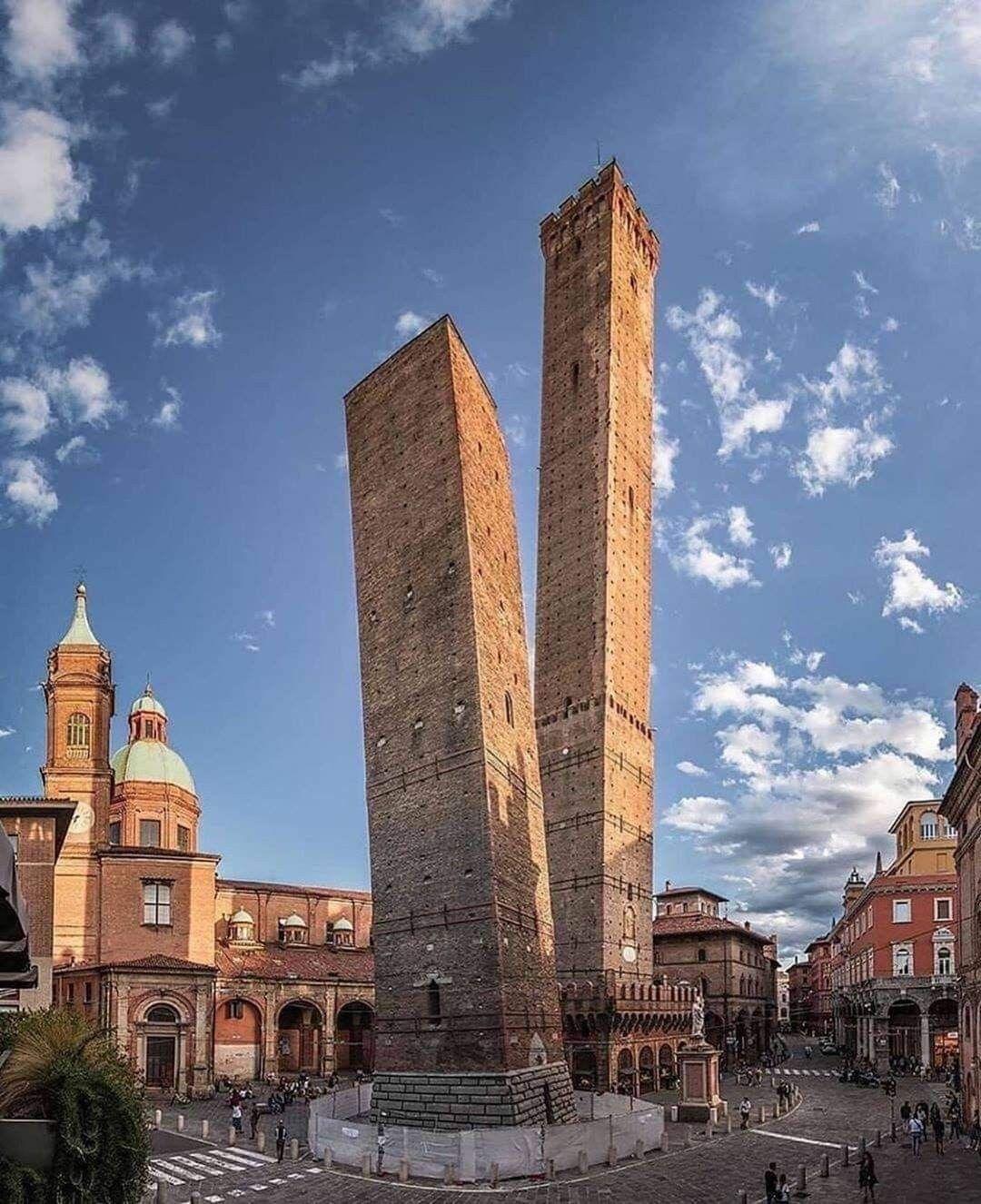
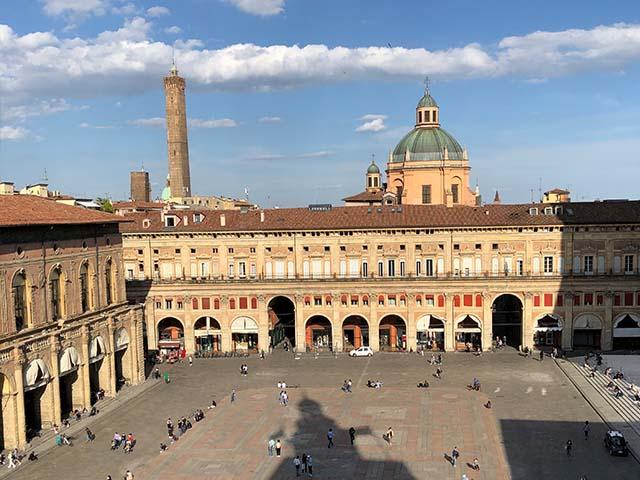
Next, we will take a walking tour of the historic center of Bologna – a city with a rich cultural heritage, medieval architecture and some of the longest covered arcades in Europe. We will see the iconic leaning towers Azinelli and Garisenda, which have become symbols of the city, and we will continue to the magnificent Piazza Maggiore – the historic heart of Bologna. Here we will enjoy Fountain of Neptune, created by Giambologna, as well as the impressive architectural ensemble that forms one of the most beautiful squares in the city.
Our first stop is The Archdiocese – one of the most significant historical buildings associated with the University of Bologna, one of the oldest universities in the world. We will visit the famous Anatomical theater – a richly decorated wooden auditorium from the 17th century, where public medical dissections were held. The interior impresses with its detailed woodcarvings, sculptures and the characteristic lectern supported by the figures of the "Fleshers".
We will also examine the building's rich heraldic decoration, including thousands of coats of arms associated with students, rectors and university colleges. They turn the Archiginnasio into a kind of chronicler of Bologna's long university history.
We continue to the Santo Stefano complex, known as the "Seven Churches" - one of the most interesting religious ensembles in the city. With its various temples, courtyards and chapels, the complex creates a special atmosphere and is reminiscent of medieval pilgrimage routes.
Next is a visit to Basilica of San Domenico – one of the most important artistic and religious monuments of Bologna. It houses the magnificent Arch of Saint Dominic, on which some of the most important sculptors of the Renaissance worked, including the young Michelangelo.
We gradually return to the heart of the city and Piazza Maggiore, where we will visit The Archaeological Museum of Bologna. Its rich collections present the history of the region from antiquity to the Roman era, with valuable Etruscan, Greek, Roman and Egyptian artifacts.
Free time for a walk, coffee or dinner in one of Bologna's traditional restaurants.
Overnight stay
Day 2 | Ravenna
Breakfast.
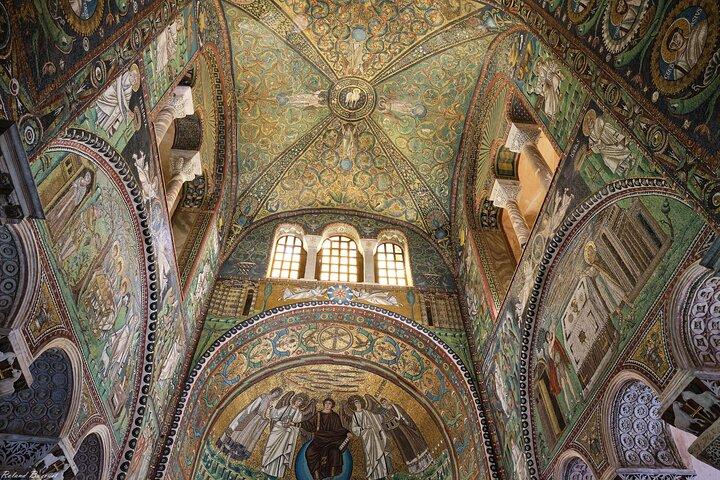
Departure by bus or train to Ravenna – a city with an extremely rich historical heritage, which over the centuries was the capital of the Western Roman Empire, the center of the Ostrogothic Kingdom and an important Byzantine city. Today, Ravenna is famous for its magnificently preserved early Christian and Byzantine mosaics, included in the UNESCO World Heritage List.
The walk begins with a visit to Mausoleum of Theodoric – a monumental tomb from the 6th century, built for the ruler of the Ostrogoths. The building impresses with its massive construction and the unusual domed roof slab, made from a single huge stone block.
We continue to one of Ravenna's most precious treasures - Mausoleum of Galla Placidia. The small temple impresses with its exceptionally well-preserved mosaic decoration, in which the golden and blue tones create a unique atmosphere.
Next is a visit to the Basilica of San Vitale – one of the most impressive monuments of early Byzantine architecture in Italy. In the interior we will see the famous mosaics with the images of Emperor Justinian and Empress Theodora, which have become some of the most recognizable images of Byzantine art.
Nearby is the National Museum of Ravenna, located in a former Benedictine monastery, where valuable archaeological and artistic finds are kept.
The walk continues with Baptistery of the Orthodox и Baptistery of the Arians – two important monuments whose mosaics testify to the development of Christian art and religious differences during late antiquity.
Next Basilica of Sant'Apollinare Nuovo, originally built as a palace church during the time of Theodoric the Great. The temple impresses with the long mosaic compositions decorating the walls of the central nave and depicting biblical scenes, saints and historical figures.
We will also visit the Basilica of Sant'Apollinare in Classe, located outside the historic center of Ravenna. Among the most impressive elements in the temple is the apse mosaic, depicting Saint Apollinarius amidst a symbolic paradise landscape and a large cross.
In the heart of the old town we will visit The Archbishop's Museum, where valuable works of early Christian and Byzantine art are kept. Among the most significant exhibits is The pulpit of Bishop Maximian – an exquisite ivory work from the 6th century.
Ravenna is also inextricably linked with the name of Dante Alighieri. The great Italian poet spent the last years of his life in the city where he is buried. We will visit Dante's tomb, and the museum is also located nearby „"Dante said"“, dedicated to his life and work.
After a day dedicated to the history, architecture and art of Ravenna, departure back to Bologna.
Overnight stay.
Day 3 | Ferrara
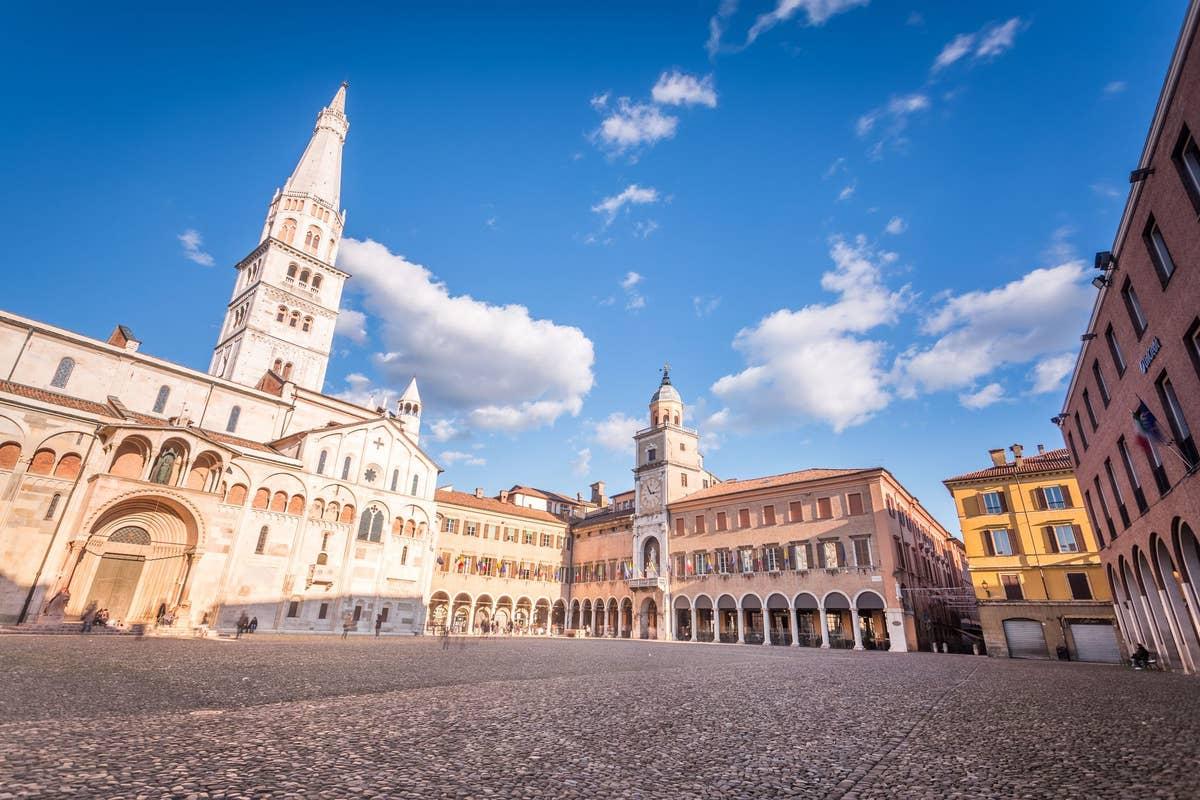
Breakfast. Departure for Ferrara (44 km) – the capital of the duchy of the same name and an important center of the Italian Renaissance, associated with the powerful d'Este family.
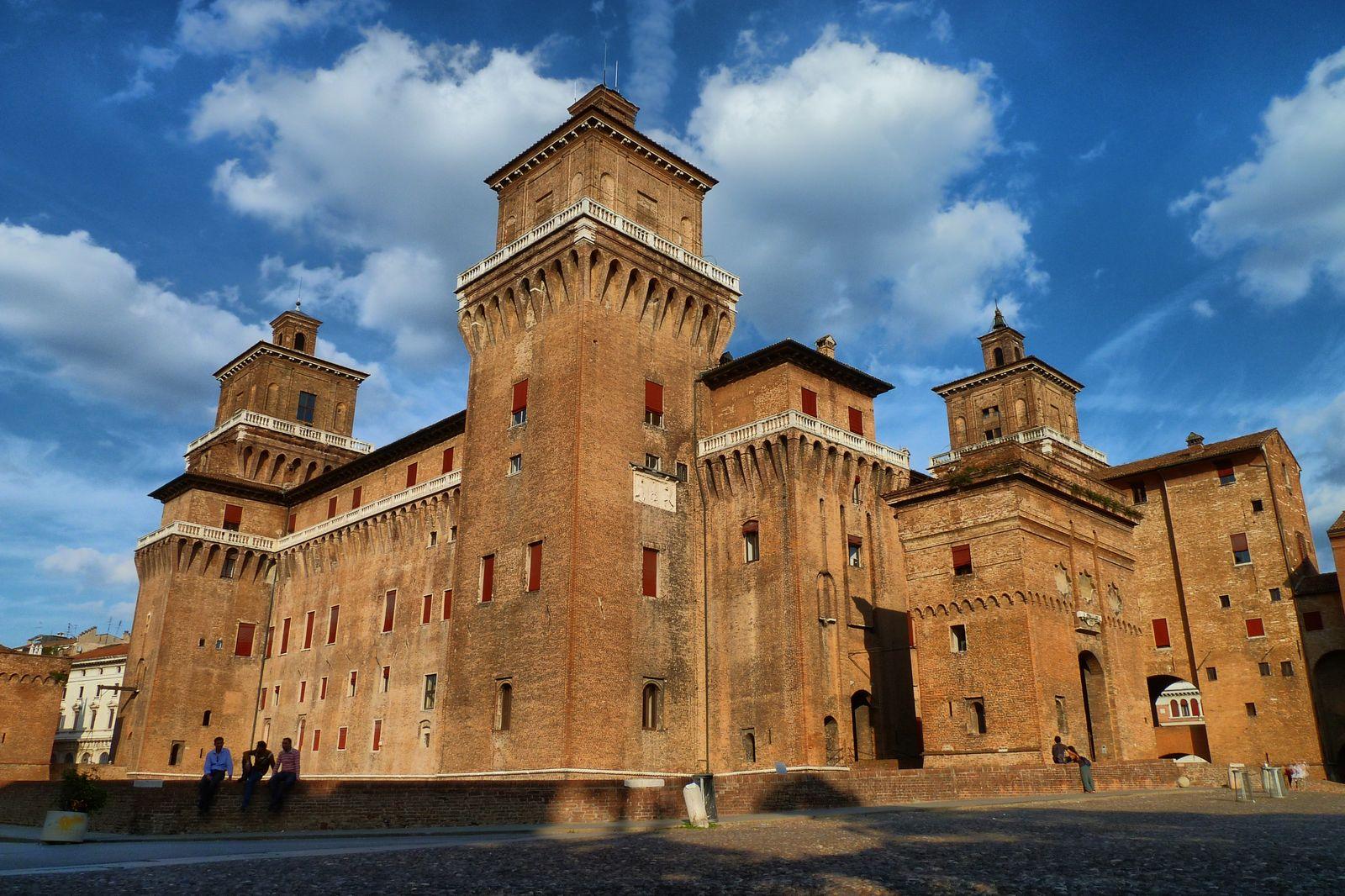
The walk begins with a visit to Castello Estense, an impressive 14th-century fortress surrounded by moats and drawbridges. We will explore the richly decorated halls and underground rooms related to the castle's history.
We continue to the Cathedral of San Giorgio - one of the symbols of Ferrara, combining Romanesque and Gothic architectural elements. We will see the impressive facade with reliefs and explore the interior of the temple.
Next is a visit to Palazzo Schifanoia - the former summer residence of the d'Este family, famous for its "Hall of the Months" and magnificent Renaissance frescoes.
We will continue to Palazzo Diamanti – one of the most recognizable buildings in Ferrara, known for its facade covered with thousands of diamond-shaped stone elements. The building houses the National Pinacoteca with valuable works by Italian masters.
The day ends with a visit to Palazzo Paradiso and the historic Biblioteca Ariostea, associated with the great Renaissance poet Ludovico Ariosto and his poem "Orlando Furioso".
Free time for a walk in the historic center and the opportunity to visit other sights. Return to Bologna. Overnight.
Day 4 | Mantua
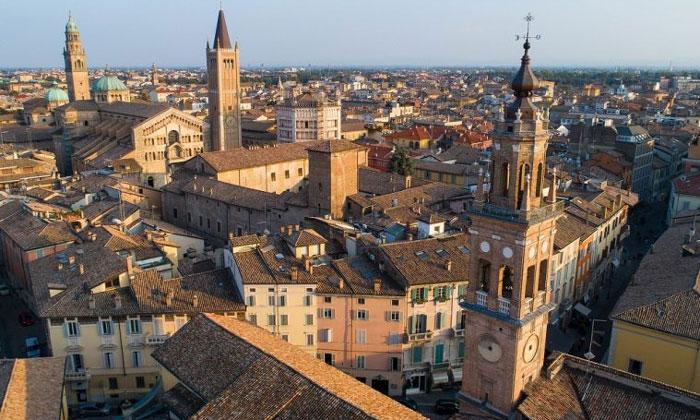
Breakfast. Departure for Mantua – one of the most beautiful Renaissance cities of Northern Italy, picturesquely situated between the Mincio River and three lakes. The city is associated with the powerful Gonzaga family, which turned it into an important center of art, architecture and culture during the Renaissance.
The walking tour starts from Piazza Sordello – the heart of the historic center. We will see the Cathedral of San Pietro and the magnificent Palazzo Ducale – a huge palace complex and former residence of the Gonzaga family. During the visit, we will immerse ourselves in the atmosphere of the Renaissance courtyard and see the famous „Chamber of the Spouses“ (Camera degli Sposi), decorated with magnificent frescoes by Andrea Mantegna.
We continue to the Basilica of Sant'Andrea - one of the most significant works of the Renaissance architect Leon Battista Alberti. The temple impresses with its monumental architecture and rich artistic decoration.
Next, we will visit Palazzo Te, a magnificent Renaissance palace designed by Giulio Romano for Duke Federico II Gonzaga. We will see the impressive frescoes in the Hall of the Giants and the Hall of Love and Psyche, some of the most remarkable examples of Italian Mannerism.
Free time for a walk by the lakes of Mantua, a coffee in one of the beautiful squares or an independent exploration of the historic center.
Departure for Bologna. Overnight.
Day 5 | Bologna
Breakfast. Today we will continue our exploration of Bologna with a visit to the National Pinacoteca – one of the most important art museums in Emilia-Romagna. The collection traces the development of Italian painting from the 13th to the 18th century and includes works by Giotto and his followers, Raphael, Titian, Parmigianino, Guido Reni, the Caracci brothers and other representatives of the Bolognese art school.
Among the highlights is Raphael's famous painting "The Ecstasy of Saint Cecilia" - one of the most significant works of the High Renaissance. The exhibition also presents works illustrating the development of Bolognese painting and its influence on European art.
Next, we will visit the Basilica of San Petronio, one of the largest churches in Europe and one of the symbols of Bologna. We will see the richly decorated chapels and works of Renaissance art, as well as the impressive astronomical meridian created by Giovanni Domenico Cassini.
The walk continues to the Cathedral of San Pietro, where we will see valuable works by Bolognese and Ferrara masters, including works by Francesco del Cossa.
Free time in Bologna for a walk, a coffee in Piazza Maggiore or a visit to other landmarks and museums, including Palazzo d'Accursio.
Overnight stay.
Day 6 | Departure
Transfer to the airport Bologna for a flight to Sofia. Arrival at Sofia airport.
Price
- Double room – €1269
The price includes
- Flight ticket Sofia - Bologna - Sofia with airport taxes included
- 1 small piece of hand luggage up to 10 kg. with dimensions (40/30/20) backpack type
- Transfers according to the program airport - hotel - airport
- Transportation by comfortable tourist bus
- 5 nights with breakfast in a 3/4* hotel in Bologna
- All excursions described in the itinerary (entrance fees included)
- Medical insurance with a liability limit of 10,000 euros
- Headphones during walks
The price does not include
- Trip Cancellation Insurance„
- Entrance fees to other sites and museums
- The listed additional services
Optionally available
- Checked baggage up to 20 kg. - €96.63 both ways
- Checked baggage up to 10 kg. - €65.96 both ways.
- Checked baggage up to 10 kg. - €65.96 both ways.
- Adjacent seats on the plane in both directions - €45.50
Additional information
- The minimum number of tourists to conduct the trip is 20.
- No health and medical requirements related to travel have been announced at this time.
- Bulgarian citizens traveling to Italy are required to have a valid passport or ID card valid for at least 6 months after the date of entry into the country.